How to Sell Travel Guides Online: Turn Your Travel Knowledge Into a Digital Product
Creating a great travel guide is just the beginning.
If you want people to pay for it, it needs to offer more than just useful recommendations. You need a product that's easy to purchase and use, and that offers real value to travellers.
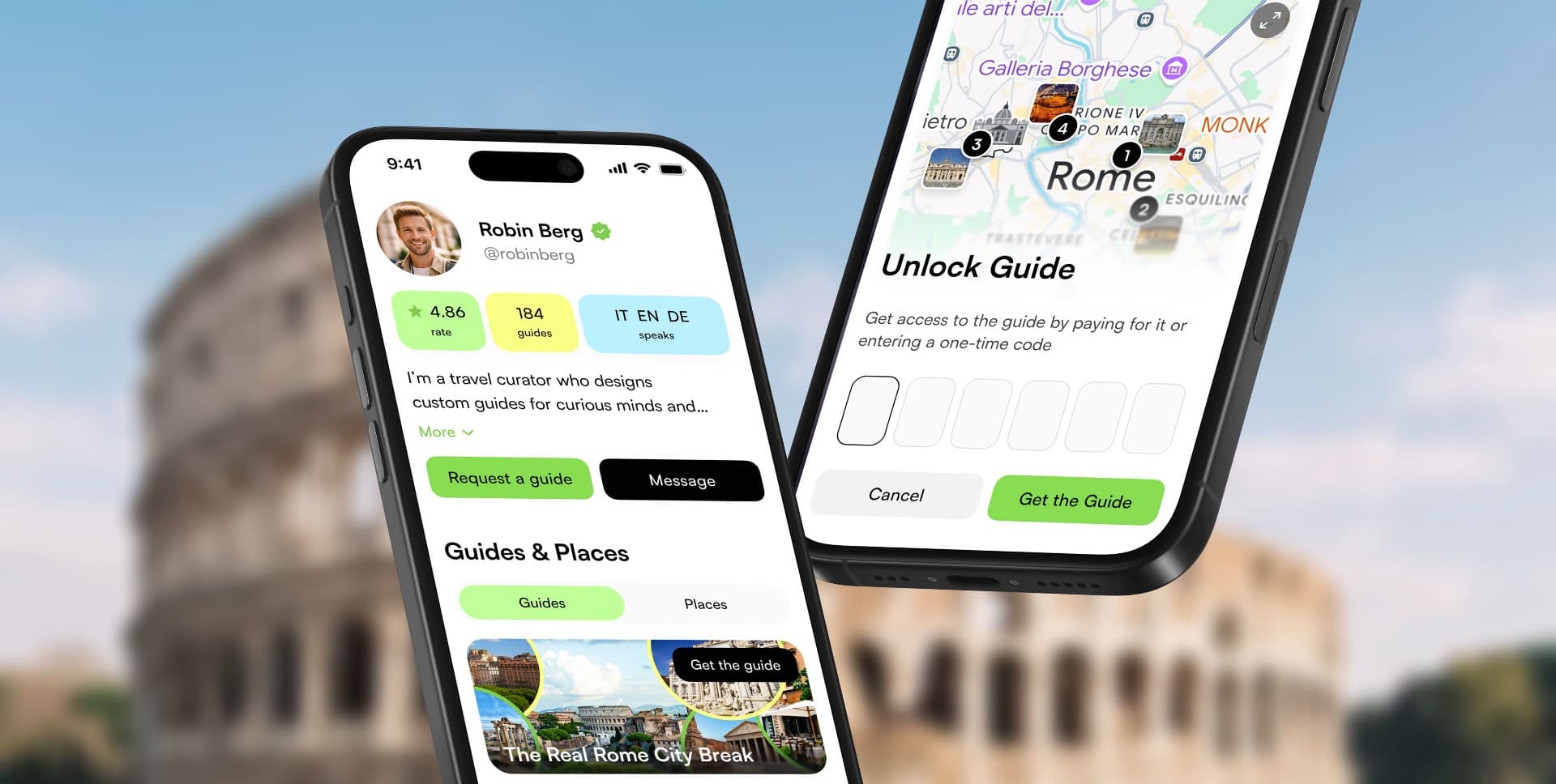
Fortunately, the range of formats for selling travel guides has expanded beyond printed books and downloadable PDFs. Nowadays, creators can publish interactive guides combining itineraries, maps, local recommendations and practical information into a single digital experience.
Whether you're a tour guide, travel blogger, content creator or local expert, the process is essentially the same: organise your knowledge, package it into a useful product and choose the best way to sell it.
In this guide, you'll learn:
- what makes a travel guide worth buying;
- how to turn your travel knowledge into a digital product;
- where to sell travel guides online;
- how to choose the right format;
- and how to build something travellers will recommend to others.
Step 1: Create Something People Want to Buy
The biggest mistake creators make is assuming that people will pay for information.
They don't.
Travel information is everywhere. Travellers can find thousands of blog posts, YouTube videos, Reddit discussions, TikTok recommendations and AI-generated itineraries in a matter of minutes.
What people actually pay for is convenience. A good travel guide saves time by bringing everything together in one place. Rather than researching dozens of sources, travellers get a curated experience with clear recommendations, practical information, maps and local insights that are ready to use.
That's why successful travel guides don't try to include everything.
Instead, they answer one simple question:
'What would make this destination more enjoyable for visitors?'
If all the recommendations in your guide help to answer that question, then you are already creating something that people are willing to pay for.
Before you start selling, ensure that your guide is clearly structured. A well-organised guide is easier to use and provides travellers with a better experience. If you're not sure what to include, our Travel Guide Template can help. What to Include and Examples', which explains the essential sections of an effective travel guide.
Step 2: Package Your Knowledge Into a Product
For a travel guide to be considered a product, it must solve a specific problem for a particular audience.
Many creators make the mistake of trying to include everything they know about a destination. The result is often an overwhelmingly long document that's difficult to navigate.
Instead, focus on making one clear promise.
For example:
- A 3-day itinerary for first-time visitors to Rome
- The best family-friendly restaurants in Barcelona
- A self-guided food tour of Lisbon
- Hidden gems in Paris beyond the main attractions
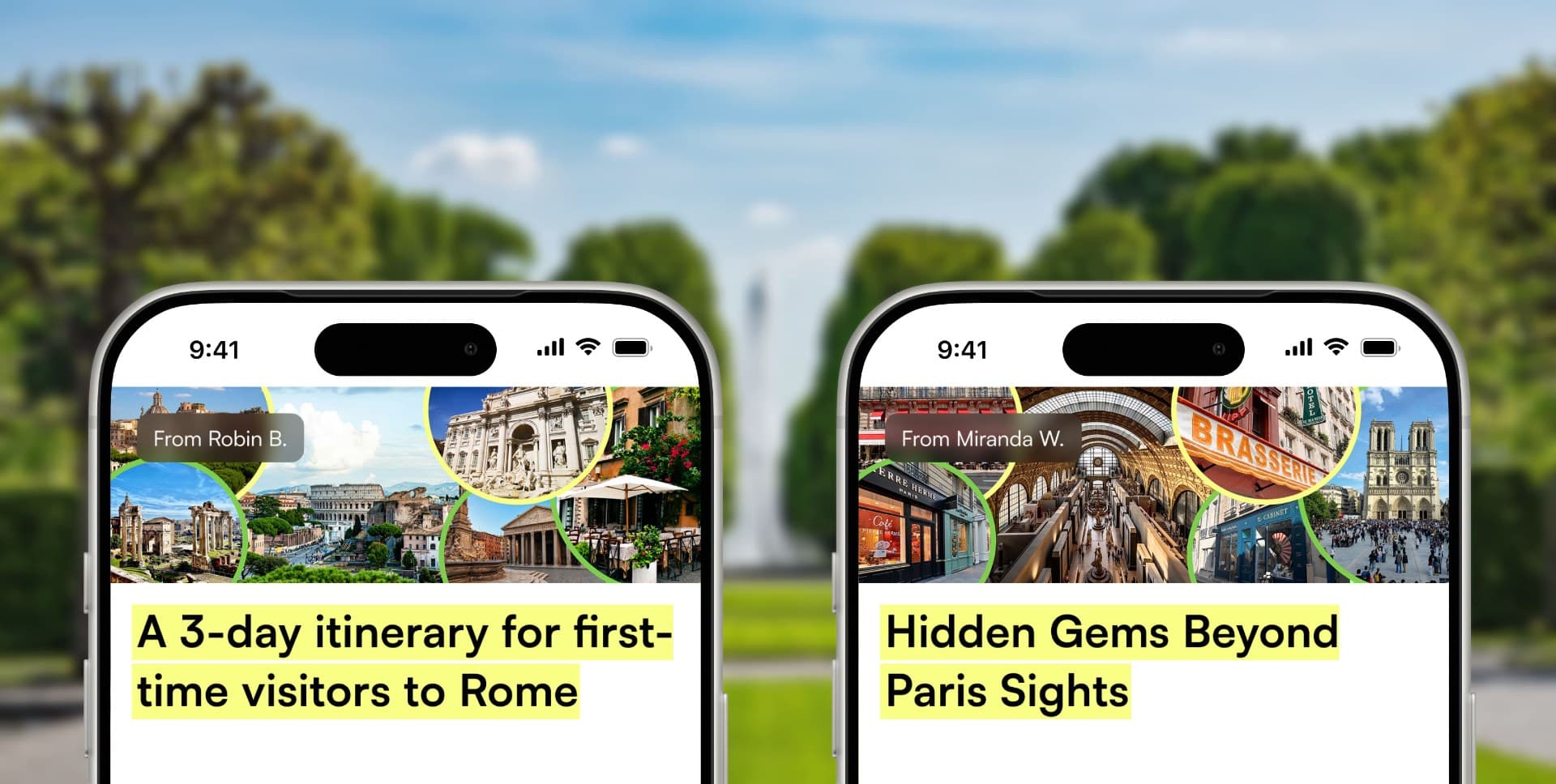
Travellers can more easily understand the value of a guide if it is more specific. They can also decide whether it is right for them.
Build Around an Experience, Not a List
People aren't looking for a list of recommendations. They're looking for an experience.
Rather than creating a guide that merely lists places, organise your knowledge into a journey that enables travellers to navigate a destination with confidence.
A great travel guide usually combines:
- a clear itinerary;
- recommended places to visit;
- maps and directions;
- practical information;
- personal recommendations or local tips.
The aim of each section is to help travellers make decisions without having to look elsewhere for information.
Related reading: Travel Guide Template: What Every Guide Should Include.
Choose the Right Format
The format you choose affects how useful customers find your guide.
While a PDF may be suitable for simple documents, it quickly becomes outdated. Every change requires a new version, and travellers often have to switch between the PDF, Google Maps and other apps to find the information they need.
Interactive travel guides offer a very different experience to traditional documents. If you're unfamiliar with the concept, it's worth understanding what digital travel guides are and why creators are moving away from static files.
If you plan to update your recommendations regularly or sell guides over time, choosing an easy-to-maintain format will save you work and create a better experience for your customers.
Not sure which format to choose? Our comparison of PDF and interactive travel guides explains the advantages and limitations of each.
Step 3: Choose Where to Sell Your Travel Guide
Once your guide is ready, you need to decide how customers will purchase it.
There isn't a single "best" option. The right choice depends on your audience, the type of guide you are selling and how much control you want over the customer experience.
Here are the three most common approache.
Sell Through Your Own Website
If you already have a website or blog, selling directly allows you to take full control of your business.
You can decide how your guide is presented, how much it costs and how customers access it after purchase.
However, you will also need to manage payments, product delivery and marketing yourself. If you're just starting out, setting all this up can take more time than creating the guide itself.
Sell Through Digital Marketplaces
Platforms such as Etsy, Gumroad and Payhip allow you to start selling digital products quickly and easily, without the need to create your own online store.
They handle payments and product delivery, enabling you to publish your guide quickly and test whether people are willing to buy it.
However, you will be competing with thousands of other digital products, and most marketplaces are not specifically designed for travel content.
Sell Directly to Your Existing Audience
Many creators make their first sales without using a marketplace.
If you already have an audience on platforms such as Instagram, TikTok, YouTube, or if you have a blog or email newsletter, you can start by offering your guide directly to people who already trust your recommendations.
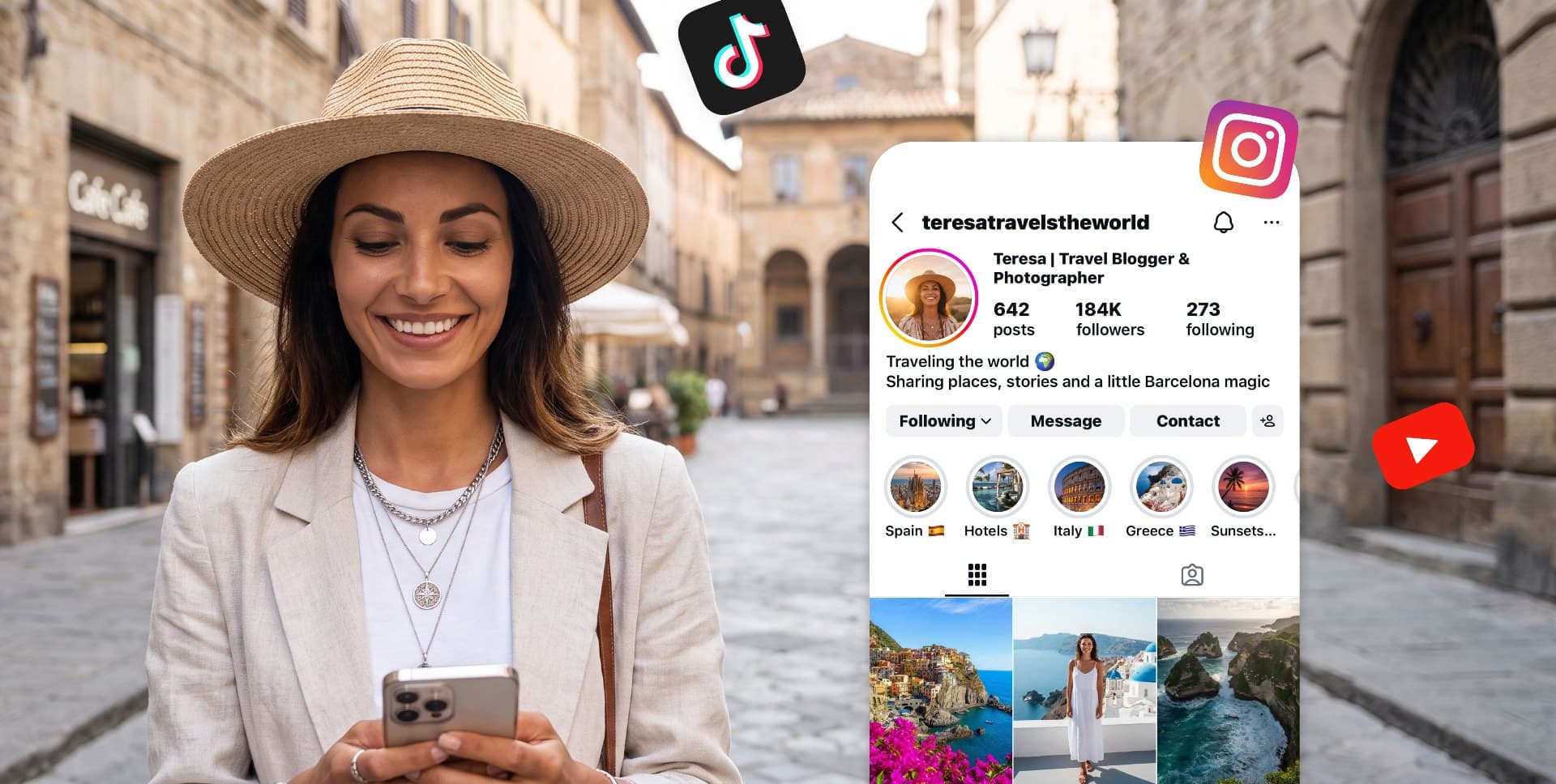
This approach will provide you with valuable feedback from real travellers, helping you to improve your guide before you try to reach a wider audience.
You don't need hundreds of sales on day one. A small group of engaged customers can tell you what works, what needs improving and what additional guides they would like to see next.
Step 4: Launch, Price, and Improve Your Guide
The biggest mistake many creators make is waiting until their guide is perfect.
In reality, the best travel guides evolve over time.
Start with one destination, one audience and one guide that solves a specific problem particularly well. Once travellers start using it, you'll quickly discover which of your recommendations they love, which sections need expanding and which questions you should answer in future updates.
Publishing your first guide is just the beginning of the process of improving it.
Price for Value, Not for Pages
One of the most common questions that creators ask is:
"How much should I charge for my travel guide?"
There isn't a universal answer.
Travellers rarely judge a guidebook based on its number of pages or the number of recommendations it contains. They judge it by the experience it provides.
Guides that save time, simplify decision-making and enable travellers to enjoy a destination with confidence are naturally perceived as having a higher value.
There are several factors that can increase the value of your guide:
- unique recommendations that aren't easy to find elsewhere;
- local knowledge and personal insights;
- a clear structure and logical itinerary;
- attractive design and professional presentation;
- an experience that's easy to use on a mobile phone;
- regularly updated content.
A beautifully designed, interactive guide often feels more valuable than a static PDF because it brings together all the information travellers need, such as maps, itineraries, recommendations, photos and practical information, in one place.
Ultimately, people aren't just paying for information. They're paying for your expertise and curation, and for the peace of mind that comes with knowing someone has already done the research for them.
The growing demand for curated, experience-driven travel guides reflects a broader shift in the way people plan their trips. If you're interested in why travellers are increasingly choosing expert recommendations over endless online research, read our article 'Why Travel Recommendations Are Becoming a Product'.
Keep Improving Your Guide
Your first attempt won't be your best work.
Each update will make your guide more useful and valuable, and easier to recommend.
Rather than redesigning everything from scratch each time, focus on the most important aspects: clearer recommendations, better organisation, more practical tips and a smoother experience for travellers.
Modern AI tools can also speed up this process by converting notes, voice memos and ideas into structured content. This allows you to focus on enhancing the traveller's experience rather than formatting documents.
To see what a premium interactive travel guide looks like, or to explore how AI can help you build one, take a look at one of our sample guides or start a conversation with the Octripus AI Copilot.